Best card games for Android offer a captivating blend of strategy, skill, and social interaction. From classic solitaire variations to complex collectible card games, the Android platform boasts a diverse library catering to all preferences and skill levels. This guide explores the best free-to-play and premium options, delving into gameplay mechanics, community aspects, and the evolution of mobile card gaming.
We’ll examine popular game mechanics, compare various titles, and discuss the factors that contribute to a compelling card game experience on Android. Whether you’re a seasoned card game enthusiast or a curious newcomer, this exploration will equip you with the knowledge to discover your next favorite mobile pastime.
Introduction to Android Card Games: Best Card Games For Android
The Android platform boasts a vast and thriving ecosystem of card games, catering to a wide range of players from casual enthusiasts to seasoned strategists. Their popularity stems from the accessibility of mobile devices, the inherent replayability of card games, and the diverse range of genres and mechanics available. The ease of downloading and playing, coupled with the social aspect of many online card games, contributes significantly to their widespread appeal.Card games on Android encompass a diverse landscape of genres, each offering a unique gameplay experience.
These range from classic games with familiar rulesets to innovative titles that push the boundaries of traditional card game design. The variety ensures there’s something to suit every taste and preference.
Genres of Android Card Games
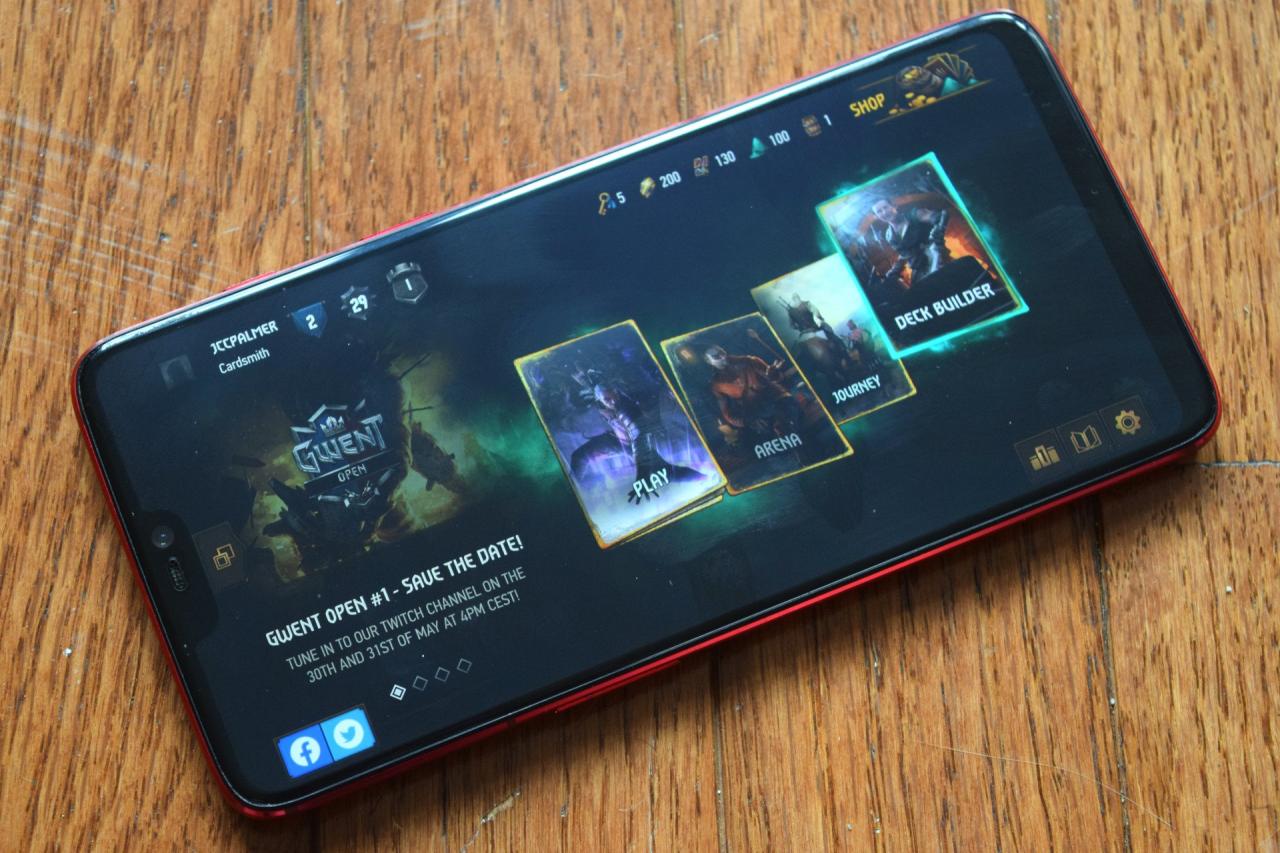
The Android market offers a diverse selection of card game genres. These include, but are not limited to, collectible card games (CCGs), digital card games (DCGs), card battlers, trick-taking games, and puzzle card games. Collectible card games, such as Hearthstone, often emphasize strategic deck building and competitive gameplay. Digital card games, like Gwent, may adapt established card game mechanics to a digital format.
Card battlers, like Slay the Spire, blend deck building with roguelike elements. Trick-taking games like Spades or Hearts offer social interaction and strategic bidding. Finally, puzzle card games, often featuring unique mechanics, challenge players with intricate gameplay.
Popular Card Game Mechanics
Several core mechanics underpin the appeal and strategic depth of many Android card games. Bluffing, a cornerstone of many poker variants, requires players to deceive opponents about the strength of their hand. Deck building, a defining feature of CCGs and DCGs, involves carefully selecting cards to create a synergistic and powerful deck tailored to a specific play style or strategy.
Resource management, common in many card games, demands careful planning and allocation of resources to achieve victory. Successful players often need to balance aggressive strategies with careful resource conservation. For example, in a game like “Solitaire,” efficient resource management (card placement) is crucial for success. In a game like “Magic: The Gathering,” players need to manage their mana (resource) to effectively play powerful cards.
The strategic interplay of these mechanics creates engaging and challenging experiences for players.
Top 5 Free-to-Play Card Games
The world of free-to-play mobile card games offers a vast and diverse landscape, catering to a wide range of tastes and preferences. From collectible card games (CCGs) to more casual experiences, these games provide hours of entertainment without requiring any upfront financial commitment. However, understanding their monetization strategies is crucial for a positive gaming experience.
Top 5 Free-to-Play Card Games: A Comparison
The following table compares five popular free-to-play card games, highlighting their unique features, gameplay mechanics, and overall player reception. These games represent a cross-section of the genre, demonstrating the breadth and depth available to Android users.
| Game Name | Description | Key Features | Overall Rating (out of 5 stars) |
|---|---|---|---|
| Hearthstone | A popular digital collectible card game (DCCG) with a fantasy setting and strategic gameplay. | Vast card collection, regular expansions, competitive ladder system, engaging single-player content. | 4.5 |
| Pokémon TCG Online | A digital adaptation of the classic Pokémon Trading Card Game, featuring familiar characters and mechanics. | Faithful recreation of the physical game, online battles, deck building, regular events. | 4 |
| Magic: The Gathering Arena | The digital version of the iconic Magic: The Gathering card game, offering a complex and rewarding experience. | Deep strategic gameplay, extensive card pool, competitive scene, regular updates with new sets. | 4.2 |
| Shadowverse | A unique digital CCG with a focus on fast-paced battles and diverse character classes. | Fast-paced gameplay, unique card mechanics, visually stunning art style, regular updates with new cards and content. | 4 |
| Card Thief | A stealth-based card game where players must plan their moves strategically to steal cards and treasures. | Unique gameplay mechanics, intuitive card interactions, minimalist art style, puzzle-like challenges. | 4.3 |
Monetization Strategies in Free-to-Play Card Games
Free-to-play card games typically utilize several monetization strategies to generate revenue. These commonly include in-app purchases for virtual currency to buy card packs, individual cards, or cosmetic items. Some games also offer battle passes or subscription services for additional rewards and benefits. The frequency and aggressiveness of these monetization tactics vary widely between games. For example, Hearthstone offers a relatively balanced approach, while some games might be more focused on pushing players towards spending money to remain competitive.
Pros and Cons of Each Game
Hearthstone: Pros – Widely popular, polished gameplay, frequent updates. Cons – Can be expensive to build competitive decks. Pokémon TCG Online: Pros – Faithful to the physical game, enjoyable for fans. Cons – Can feel slow-paced compared to others. Magic: The Gathering Arena: Pros – Deep and complex gameplay, large player base.
Cons – Steep learning curve for newcomers. Shadowverse: Pros – Unique mechanics, fast-paced action. Cons – Can be overwhelming for beginners due to the many options. Card Thief: Pros – Unique gameplay, relaxing experience. Cons – Limited replayability compared to other CCGs.
Premium Card Games Worth the Investment
While many excellent card games on Android are free-to-play, a select few premium titles offer a compelling experience that justifies their price tag. These games often provide a more polished experience, expanded content, and a freedom from intrusive ads, resulting in a more immersive and enjoyable gameplay loop. Let’s explore three examples that demonstrate significant value for their cost.
Reasons for Premium Card Game Pricing
The cost of premium card games is often justified by several factors. Firstly, the absence of in-app purchases and ads significantly enhances the user experience. Free-to-play games frequently rely on these monetization methods, which can disrupt gameplay and lead to a feeling of being pressured into spending money. Premium games, however, provide a complete and uninterrupted experience from the outset.
Secondly, premium titles often boast significantly more content than their free-to-play counterparts. This can include additional game modes, expansions, cards, and features that enhance replayability and longevity. Finally, premium games frequently benefit from higher production values, including superior art, sound design, and overall polish. This contributes to a more refined and enjoyable gaming experience.
Examples of Premium Card Games
The following are three examples of premium Android card games that demonstrate strong value for their price:
1. Solitaire by MobilityWare: While Solitaire is a classic game, MobilityWare’s version stands out with its refined interface, multiple game variations, and daily challenges. Compared to free Solitaire apps, MobilityWare’s version often lacks intrusive ads and offers a more streamlined, enjoyable experience. The price reflects the polished design and the extended features.
2. Card Crawl: This minimalist card-battler presents a unique and challenging experience. The core gameplay loop, a blend of deck-building and dungeon crawling, is tightly designed and highly replayable. Unlike free-to-play card battlers that might feature energy systems or excessive in-app purchases, Card Crawl offers a complete package upfront. The price reflects the carefully crafted gameplay and the absence of disruptive monetization strategies.
The simple art style, however, might not appeal to everyone.
3. Century: Spice Road: This digital adaptation of the popular board game offers a rich and engaging experience. The game’s intricate gameplay, involving resource management and trading, is perfectly translated to the mobile platform. Compared to free-to-play digital board games that often include limitations or in-app purchases, Century: Spice Road offers the complete experience, unlocking all content from the start.
The cost reflects the complexity and depth of the game, and the inclusion of all game content without limitations.
Card Game Mechanics and Strategies
Mastering Android card games requires understanding fundamental mechanics and developing effective strategies. Success hinges on a combination of skillful play, calculated risk-taking, and a grasp of probability. This section will explore core mechanics and winning strategies across various card game genres.Understanding the mechanics of drawing, discarding, and utilizing special abilities is crucial. Drawing cards replenishes your hand, allowing you to access new options and potentially stronger plays.
Discarding cards removes unwanted or less effective cards from your hand, improving the quality of your remaining resources. Special abilities, unique to each game, add layers of complexity and strategic depth, offering powerful effects that can significantly alter the game’s course. These abilities might involve manipulating the deck, directly impacting opponents, or gaining significant advantages.
Common Card Game Mechanics
Drawing cards is the process of acquiring new cards from a deck, typically at the start of a turn or through specific game actions. Discarding involves removing cards from your hand, usually to manage hand size or to trigger specific effects. Special abilities introduce unique actions and effects, ranging from direct damage to card manipulation. For example, in many collectible card games (CCGs), certain cards possess abilities that allow for drawing additional cards, destroying opponent’s cards, or providing temporary buffs to other cards.
These abilities are often the key to winning complex matches.
Strategies for Different Card Game Genres
Different card game genres demand distinct strategies. Trick-taking games, such as Hearts or Spades, emphasize careful card play to win tricks and avoid penalties. Players must anticipate their opponents’ moves and strategically manage their hand to secure valuable tricks. Set collection games, like Rummy, require players to build sets of matching cards. Success here depends on efficiently collecting sets while blocking opponents’ progress.
Deck-building games, like Dominion, involve strategically constructing a deck of cards to optimize resource acquisition and scoring. This necessitates careful selection of cards to create a synergistic deck that maximizes points.
Probability and Risk Assessment in Card Games, Best card games for Android
Probability and risk assessment are essential components of skilled card play. Understanding the likelihood of drawing specific cards, or the chances of an opponent holding a particular card, influences decision-making. Calculating the potential rewards and risks associated with different plays allows players to make informed choices. For example, a player might choose to play a weaker card to avoid a greater risk, or gamble on a high-reward play with a lower chance of success.
This careful assessment is crucial for optimizing your chances of winning. Consider a scenario in poker: a player with a weak hand might choose to fold, accepting a small loss to avoid a larger potential loss. Conversely, a player with a strong hand might choose to bet aggressively, leveraging their advantage. The decision hinges on assessing the probability of winning against the risk of losing.
Community and Social Aspects of Android Card Games
The popularity of Android card games isn’t solely driven by engaging gameplay; a significant factor is the robust social element they offer. The ability to connect with others, compete, and collaborate significantly enhances the overall experience, transforming a solitary pastime into a vibrant, interactive community. This social aspect fuels player retention and attracts new users, creating a self-sustaining ecosystem.Online multiplayer functionality is the cornerstone of this social experience.
It allows players from across the globe to compete against each other in real-time, fostering a sense of competition and shared experience. This dynamic interaction is far more engaging than playing against AI opponents, creating a constantly evolving and unpredictable game environment.
Features Fostering Community in Android Card Games
Several features are commonly implemented in Android card games to cultivate a sense of community. These features actively encourage interaction and create a shared experience among players. Leaderboards provide a competitive platform, showcasing top performers and inspiring players to improve their skills. Clans or guilds allow players to group together, share strategies, and collaborate in events, fostering a strong sense of belonging.
Finally, integrated chat functionality enables real-time communication, allowing players to discuss gameplay, share tips, and form friendships. These features, working in concert, significantly increase player engagement and satisfaction.
Advantages and Disadvantages of Online Multiplayer in Android Card Games
The decision to engage in online multiplayer in Android card games presents both advantages and disadvantages.The advantages include:
- Increased engagement and enjoyment through competition and interaction with other players.
- Access to a wider pool of opponents, leading to more varied and challenging gameplay.
- Opportunities to learn from other players, improve skills, and share strategies.
- The development of a social network and friendships within the game community.
- Participation in clan-based events and competitions, fostering teamwork and collaboration.
The disadvantages, however, should also be considered:
- Potential for encountering toxic or unsportsmanlike players.
- Dependence on a stable internet connection for gameplay.
- The possibility of encountering lag or other technical issues affecting gameplay.
- Increased competition may lead to frustration for some players.
- The time commitment required for online multiplayer can be significant.
Illustrating Popular Card Games
The visual presentation of a card game significantly impacts its overall appeal and player experience. A well-designed game not only provides clear and intuitive gameplay but also enhances immersion and enjoyment through its aesthetic choices. The artwork, user interface, and overall visual style all contribute to the unique identity and atmosphere of each game. Let’s examine three popular examples.
Artwork and Visual Style of Hearthstone
Hearthstone, a popular digital collectible card game (DCCG), employs a vibrant, cartoonish art style. The characters and creatures are highly stylized, featuring exaggerated proportions and expressive features. The card art itself is generally bright and colorful, often employing dynamic compositions and a sense of movement. The user interface is clean and straightforward, prioritizing ease of use and quick access to essential game mechanics.
This design choice supports the fast-paced nature of the gameplay, preventing visual clutter from interfering with strategic decision-making. The overall effect is a game that is both visually engaging and easily accessible, catering to a broad player base.
Artwork and Visual Style of Gwent: The Witcher Card Game
Gwent, another prominent DCCG, adopts a markedly different visual approach. Inspired by the Witcher universe, it features a more realistic and gritty aesthetic. The card art reflects the dark fantasy setting, showcasing detailed character portraits and evocative landscape depictions. The color palette is generally darker and more muted than Hearthstone’s, contributing to a more serious and atmospheric tone. The user interface is similarly less playful, emphasizing functionality and clarity over flashy animations.
This design choice complements the game’s strategic depth and slower, more deliberate gameplay. The visual design enhances the game’s immersive quality, drawing players into the world of The Witcher.
Artwork and Visual Style of Solitaire
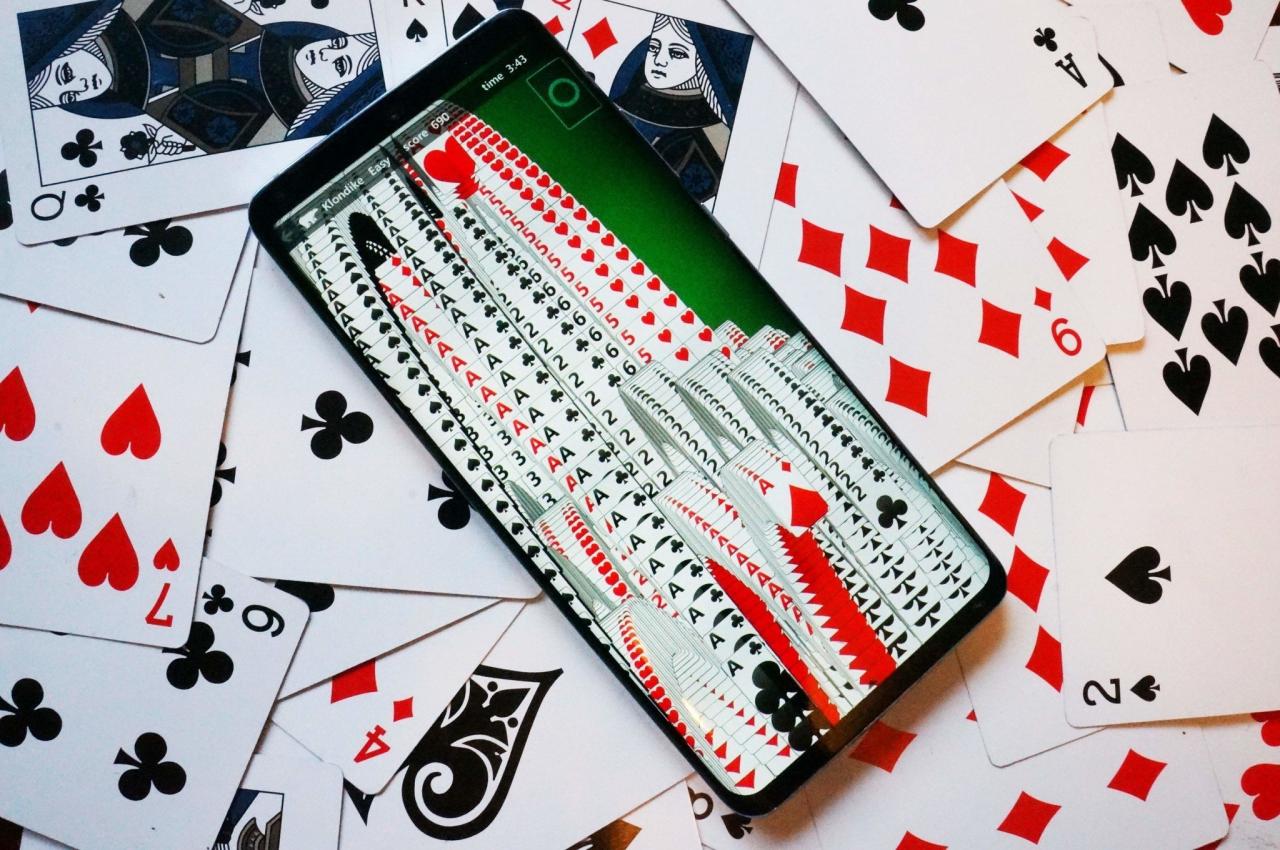
While many card games focus on elaborate art, Solitaire’s enduring appeal lies in its simplicity. The visual style is typically minimalist, focusing on clear representation of the cards themselves. Traditional playing card designs are usually employed, emphasizing readability and easy identification of suits and ranks. The user interface is extremely straightforward, often featuring a single game board with minimal additional elements.
This simplicity contributes to the game’s accessibility and ease of learning. The lack of distracting visuals allows players to concentrate fully on the game’s mechanics and strategic challenges.
Aesthetic Appeal of Slay the Spire
Slay the Spire stands out for its distinctive art style. The game utilizes a pixel art aesthetic, reminiscent of classic RPGs, creating a charming and nostalgic feel. The character designs are quirky and expressive, while the environments are detailed and atmospheric. The color palette is rich and varied, contributing to the game’s overall visual appeal. The combination of retro-inspired graphics and engaging gameplay creates a unique and memorable player experience.
The clean UI design integrates seamlessly with the game’s art style, enhancing the sense of cohesion and immersion. The visual design complements the strategic depth and roguelike elements of the game, contributing to its overall charm and addictive nature.
The Evolution of Card Games on Android
The journey of card games on Android reflects the broader evolution of mobile gaming technology, from simple adaptations of existing games to sophisticated, visually stunning experiences that leverage the platform’s unique capabilities. This evolution has been driven by advancements in processing power, improved graphics capabilities, and the increasing sophistication of mobile internet connectivity.The integration of card games into the Android ecosystem wasn’t a sudden event but a gradual process marked by significant technological leaps and changes in player expectations.
Early games were often simple ports of classic titles, limited by the hardware of the time. However, as Android devices became more powerful, developers were able to create more complex and engaging experiences.
A Timeline of Android Card Game Development
The early days of Android (circa 2008-2010) saw the emergence of basic card game ports, often emulating classic titles like Solitaire or Poker. These games were relatively simple in terms of graphics and gameplay mechanics, reflecting the limitations of early Android devices. The mid-2010s (2011-2015) witnessed a surge in more sophisticated games, with improved graphics and more complex gameplay features.
The introduction of robust online multiplayer functionality significantly expanded the social aspects of these games. The late 2010s and beyond (2016-present) have seen the rise of highly polished, visually impressive card games, often incorporating free-to-play models with in-app purchases. This period also saw the emergence of innovative gameplay mechanics and the integration of social features such as leaderboards and guilds.
Examples include the significant growth in popularity of games like Hearthstone, which adapted its PC gameplay to mobile platforms seamlessly, demonstrating the increasing sophistication of mobile development.
Mobile Technology’s Influence on Card Game Design and Gameplay
The touch screen interface has fundamentally altered the design of card games on Android. Developers have had to adapt traditional card game mechanics to suit touch input, often incorporating intuitive drag-and-drop mechanics for card manipulation. The smaller screen size of mobile devices has also necessitated adjustments to the user interface, requiring developers to prioritize clarity and ease of navigation.
The ability to seamlessly integrate online multiplayer features has revolutionized the social aspect of card games, allowing players from across the globe to compete and interact. Furthermore, the integration of features such as push notifications and in-app purchases has profoundly impacted the monetization strategies employed by developers.
The Impact of Mobile Platforms on Accessibility and Popularity of Card Games
The ubiquity of Android devices has made card games far more accessible than ever before. Unlike PC or console games, which require dedicated hardware, card games on Android are readily available to anyone with a smartphone or tablet. This has led to a dramatic increase in the popularity of card games, bringing them to a far wider audience than previously possible.
The portability of mobile devices also means players can enjoy their favorite card games anytime, anywhere. This ease of access has also fostered a larger and more diverse community of card game players, contributing to the overall growth and evolution of the genre. The relatively low barrier to entry for developers has also encouraged a greater diversity of card game titles, providing players with a vast selection of games to choose from.
Different Types of Card Games
The world of card games is incredibly diverse, encompassing a vast range of rules, objectives, and strategic depths. From simple solitaire games to complex collectible card battles, the common thread is the use of a deck of cards to create engaging and often challenging gameplay. Understanding the different types helps appreciate the breadth of this popular pastime, both digitally and in the physical world.
Poker
Poker encompasses several variations, but all share a common core: players bet on the value of their hand, aiming to have the best combination of cards at the showdown. The specific rules vary depending on the poker variant (Texas Hold’em, Omaha, Seven-Card Stud, etc.), but generally involve dealing cards, betting rounds, and the potential to bluff opponents. Strategic elements include hand reading, calculating pot odds, and managing your betting style to influence your opponents’ decisions.
The objective is to win the pot by having the best hand or forcing other players to fold.
Solitaire
Solitaire games, typically played by a single player, involve arranging cards according to specific rules to achieve a defined objective. Examples include Klondike (the most common version), Spider, FreeCell, and Pyramid. While the rules vary, they generally involve building sequences of cards in ascending or descending order, by suit or rank, and moving cards between different tableau piles.
The strategic aspect focuses on planning moves efficiently to uncover buried cards and create the necessary sequences to complete the game. The objective is to move all cards to the foundation piles, achieving a completely empty tableau.
Rummy
Rummy games center around forming sets (groups of three or four cards of the same rank) and runs (sequences of three or more cards of the same suit). Different versions exist, including Gin Rummy, Canasta, and Rummy 500. Players take turns drawing and discarding cards, aiming to meld their cards into sets and runs while minimizing their remaining points.
Strategic elements involve managing your hand, anticipating your opponents’ moves, and strategically discarding cards to prevent your opponents from forming melds. The objective is to be the first to meld all your cards or to have the lowest score at the end of the game.
Collectible Card Games (CCGs)
Collectible card games like Hearthstone or Magic: The Gathering feature decks of unique cards with varying abilities and strengths. Players construct decks, draw cards, and play them to attack their opponent and reduce their life points to zero. Strategic depth involves deck building, resource management, and anticipating your opponent’s actions. The objective is to defeat your opponent by depleting their life points or fulfilling specific win conditions Artikeld by the game’s rules.
The collectible aspect adds a layer of complexity, as players often acquire and trade cards to optimize their decks.
Other Notable Card Game Types
Beyond these prominent examples, numerous other card game types exist, each with its unique gameplay mechanics and strategic considerations. These include trick-taking games (like Hearts or Spades), where players aim to win tricks by playing cards of higher value or matching the suit led; shedding games (like Durak or President), where players try to get rid of all their cards; and building games (like Canfield or Pinochle), where players construct sequences of cards to score points.
The diversity within card games is a testament to their adaptability and enduring appeal.
The world of Android card games is vast and vibrant, constantly evolving with new titles and innovative features. From the thrill of competitive online multiplayer to the relaxing solitude of single-player experiences, there’s a perfect card game waiting to be discovered on your Android device. By understanding the diverse genres, mechanics, and community aspects, you can embark on a journey filled with strategic challenges, social interaction, and countless hours of engaging gameplay.
Question Bank
What are the minimum system requirements for most Android card games?
Requirements vary greatly depending on the game’s complexity and graphics. Generally, a relatively recent Android device with sufficient storage space will suffice. Check the specific game’s store listing for detailed requirements.
Are there any offline card games available on Android?
Yes, many card games offer offline modes, allowing gameplay without an internet connection. This is a valuable feature for those without consistent internet access or who prefer solo play.
How do in-app purchases work in free-to-play card games?
Free-to-play games often monetize through in-app purchases of virtual currency, card packs, or cosmetic items. These purchases are generally optional, but can enhance gameplay or accelerate progression.


